What Is a Cultural Resource? A Beginner’s Guide
Cultural resources are the tangible and intangible legacies of human activity that communities value for their historical, aesthetic, scientific, or social meaning. They encompass everything from ancient ruins and museum objects to living traditions, languages, and oral histories. For newcomers, understanding what qualifies as a cultural resource—and why it matters—is the first step toward informed engagement with heritage conservation and policy.
Recent Trends
Over the past few years, several developments have brought cultural resources into wider public focus:
- Digital preservation initiatives have grown rapidly, with institutions using 3D scanning and virtual tours to make fragile sites accessible online.
- Community-led projects are increasingly recognized, as local groups document intangible heritage such as storytelling, ceremonies, and craft techniques.
- Climate change has accelerated threats to coastal archaeological sites and traditional subsistence practices, prompting emergency documentation efforts.
- Legislative updates in several countries now require cultural resource assessments more explicitly in development planning and land-use permits.
Background
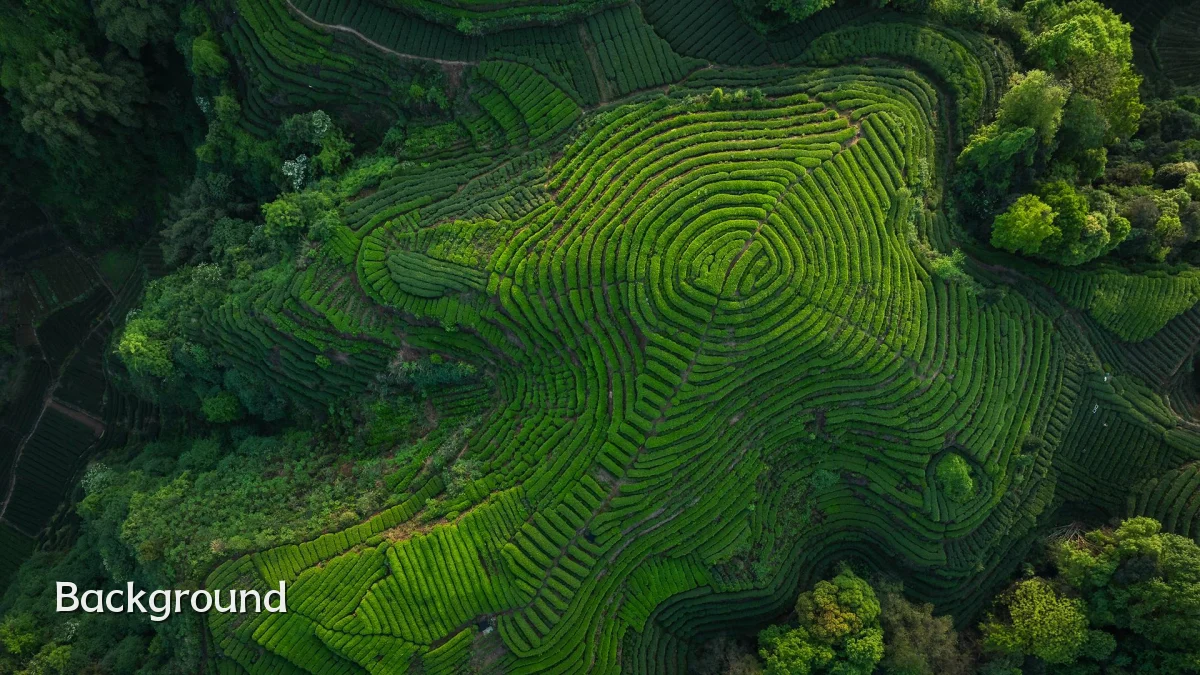
Cultural resources fall into two broad categories: physical and non-physical. Physical resources include archaeological sites, historic buildings, cultural landscapes, museum collections, and artifacts. Non-physical resources cover languages, folklore, music, rituals, skills, and social customs passed down through generations.
Professionals typically assess a resource’s significance by its integrity, association with important events or people, and potential to yield information about past societies. Many countries maintain official registers—such as the National Register of Historic Places in the United States or listed buildings in the United Kingdom—but unofficial, community-documented resources are equally valuable in practice.
User Concerns
Beginners often raise the same practical questions:
- How do I know if something is a cultural resource? Look for a connection to a specific time, place, or group; evidence of historical use; and recognition by experts or the community as meaningful. When in doubt, consult local heritage organizations or cultural resource management (CRM) firms.
- Who “owns” a cultural resource? Ownership varies. Physical objects may belong to private individuals, institutions, or governments. Intangible heritage is often collectively held, with rights managed by communities or cultural authorities. Legal frameworks like copyright, repatriation laws, and customary protocols apply.
- How can I help preserve one? Start by documenting it—photograph, record oral histories, or note its condition. Support organizations that advocate for protection, and avoid disturbing sites without permission. Even refraining from sharing precise locations of sensitive sites can reduce looting and vandalism.
- What legal obligations exist? In many regions, developers must conduct cultural resource surveys before ground disturbance. Private collectors may face export restrictions on culturally significant items. Indigenous cultural property often carries special protections under national or international agreements.
Likely Impact
Understanding cultural resources has practical ripple effects across sectors:
- Tourism and local economies – Well-managed cultural sites attract visitors and create jobs, but overvisitation can damage fragile resources. Balancing access with conservation remains a key challenge.
- Education and identity – Schools and museums use cultural resources to teach history and foster social cohesion. Loss of resources can weaken community identity, especially for marginalized groups.
- Urban and infrastructure planning – Cities increasingly integrate heritage impact assessments into zoning decisions, affecting timelines and costs for new projects.
- International relations – Repatriation disputes, UNESCO designations, and cross-border collaboration on endangered heritage all stem from how nations define and value cultural resources.
What to Watch Next
Several developments are likely to shape the field for beginners and professionals alike:
- Artificial intelligence in heritage – AI tools are being tested to analyze large datasets, predict site vulnerability, and reconstruct damaged artifacts. Ethical guidelines for data provenance are still evolving.
- Grassroots documentation networks – Community-led mapping projects, often using smartphone apps, are creating alternative inventories for resources overlooked by official agencies.
- Shifts in funding models – Public budgets for heritage are strained in many regions; crowdfunding, public-private partnerships, and heritage bonds are emerging to fill gaps.
- Legal reforms around intangible heritage – Countries are updating laws to protect oral traditions, performing arts, and cultural expressions in line with UNESCO’s 2003 Convention, but implementation remains uneven.
For anyone starting out, the core takeaway is that cultural resources are not static relics. They are living assets that require ongoing care, negotiation, and interpretation. Staying curious about local heritage and open to diverse perspectives is the most practical foundation for engagement.